
An aged care course is a commitment to study, practical learning and workplace assessment. Before choosing one in Brisbane, compare the qualification, the work you will practise, and how placement fits around your other commitments.
Read the qualification and specialisation
Start with the full course name and code. TAFE Queensland lists a Certificate III in Individual Support (Ageing), CHC33021, with Greater Brisbane among its study regions. DP Training lists CHC33021 Certificate III in Individual Support (Ageing and Disability) on its international course page, including a Bowen Hills campus.
These are examples to investigate, rather than a ranking. Compare the specialisation and unit list on the exact course you are considering. Ask which training organisation enrols you, assesses your work and issues the qualification. Confirm the current offering for your chosen campus and intake before making plans.
Look at the work you will learn to do
DP Training's published units cover individualised support, communication, independence and wellbeing, safe work, dementia support and working effectively in aged care. Its combined course also includes disability support units.
Read those topics as learning responsibilities. Ask how classes turn them into practice: which tasks are demonstrated, which you rehearse, and how feedback is given before workplace assessment. If a task or setting is unfamiliar, ask the trainer to explain what students are expected to do and what supervision is provided.
Understand what placement involves
Both linked providers describe 120 hours of compulsory placement. DP Training also requires students to be assessed as competent in the course units; completing the hours alone is not its qualification requirement.
Ask how workplace evidence is collected and who assesses it. TAFE Queensland lists possible methods including observation, written work, questioning, portfolios and third-party feedback. DP Training describes written workbooks, case studies or simulated role play, oral questioning and placement. These descriptions do not tell you the exact assessment timetable for an individual class.
Ask how your placement would be organised
TAFE Queensland says it may be able to help arrange a suitable placement. Its placement provider determines shifts, which can include early mornings, late nights, weekends and public holidays. DP Training describes industry partnerships supporting placement, but that statement does not confirm your allocated facility or dates.
Before enrolling, get clear answers to these questions:
- Who finds and approves the placement, and when will the location be confirmed?
- Can you suggest a workplace yourself, and what approval is required?
- Who supervises you, who assesses you, and how are hours and skills recorded?
- What happens if a placement is delayed or an assessment needs another attempt?
Compare the whole study commitment
Put classes, independent study, assessment and placement travel into the same calendar. Ask for a written breakdown of fees and any additional costs, including required clothing, equipment and placement preparation.
Confirm the current entry and placement requirements for your course and host facility, and how long preparation takes. If you already work or volunteer in care, ask what evidence the training organisation needs before assuming that experience can count towards this course.
Check the current course information
Use the linked provider pages as a starting point, then request the current course guide and placement information for the intake you want. Keep the written answers about assessment, placement responsibility, costs and timing together. Choose only once you understand the study and practical commitments you would be taking on.
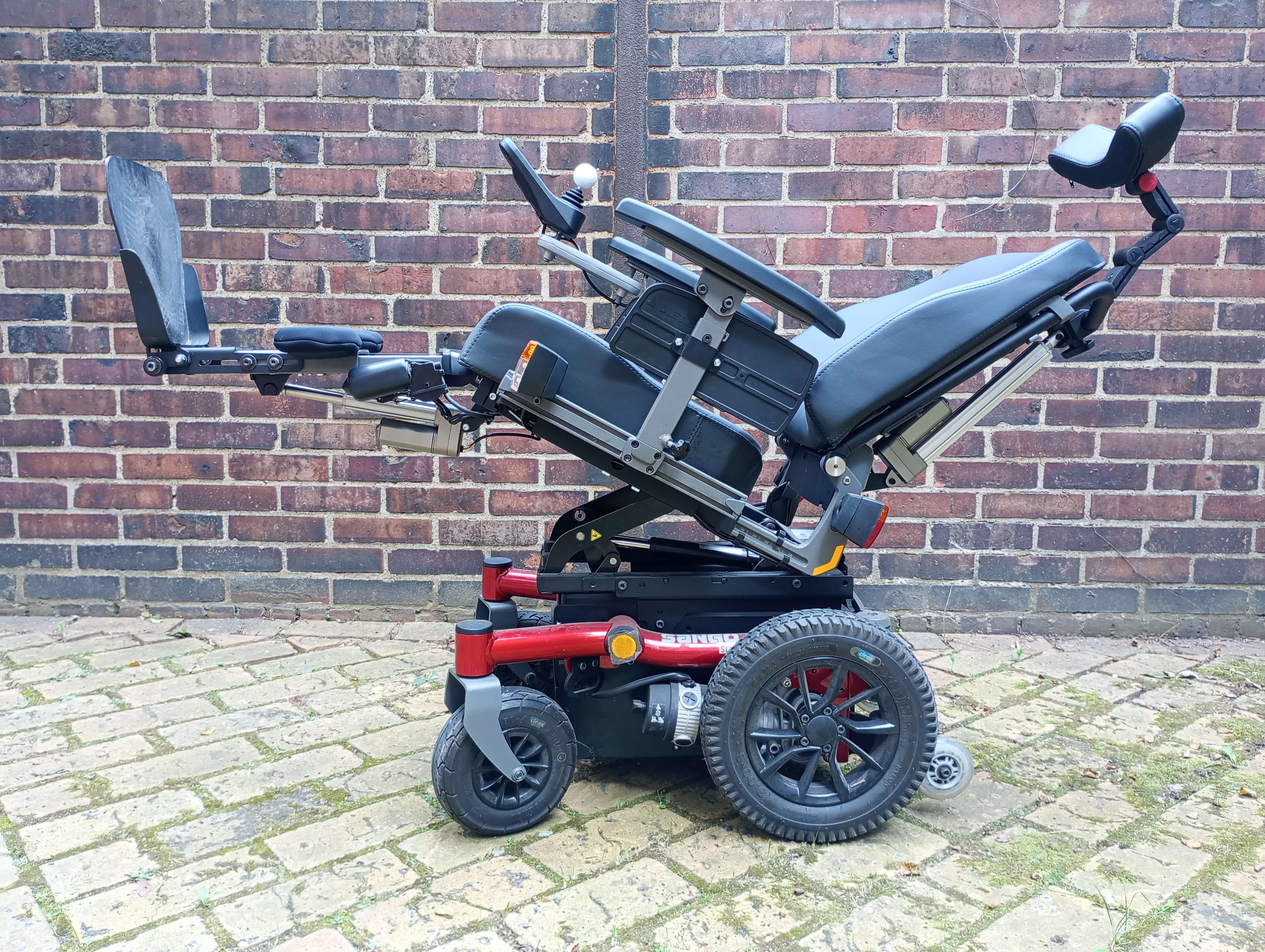
Illustrative mobility equipment photograph, not a listed course or placement site. Photograph by Miero329, CC0 1.0; unchanged.
